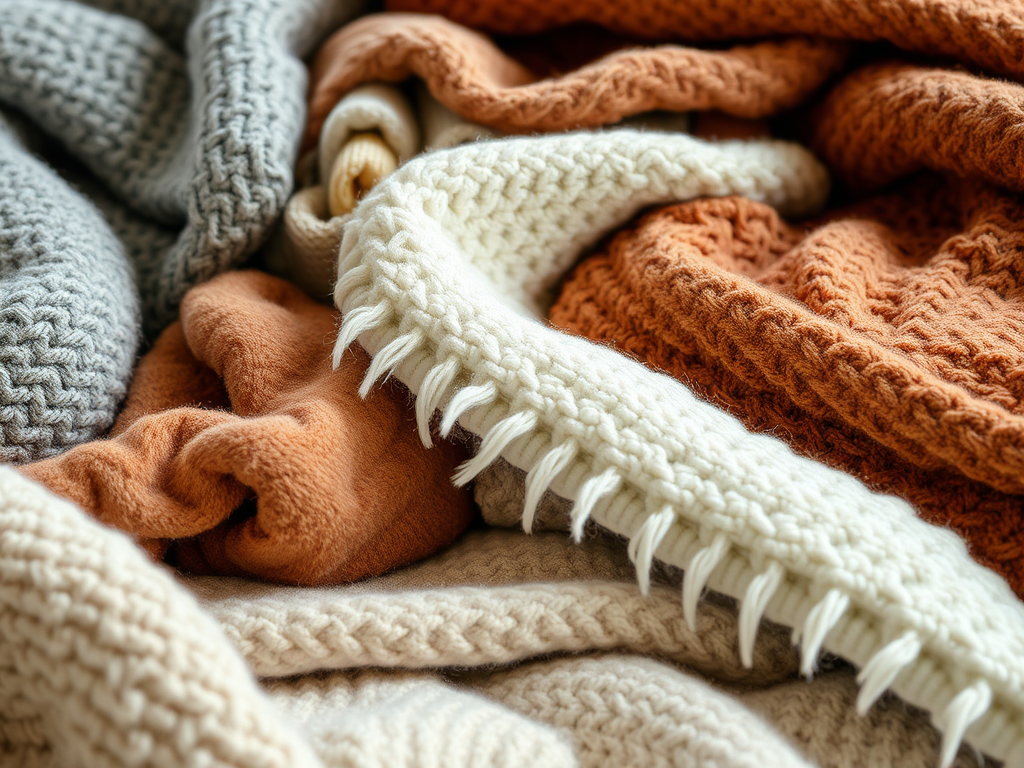
What Are Blankets Made Of? Understanding the Materials Behind Your Cozy Comfort
Blankets are an essential part of our lives, providing warmth and comfort, whether we’re snuggling up on a cold night or adding a decorative touch to our beds. But have you ever wondered what blankets are made of? The materials that make up a blanket influence their softness, warmth, durability, and texture. From natural fibers to synthetic blends, the range of blanket materials is vast and varied, each designed to serve a specific function or aesthetic.
In this blog post, we’ll explore the most common materials used to make blankets, their benefits, and how they differ from one another. Whether you’re looking for a cozy throw to add to your living room or a warm comforter for winter nights, understanding what blankets are made of will help you make the best choice for your needs.
1. Cotton: Soft, Breathable, and Versatile
Cotton is one of the most popular natural fibers used to make blankets due to thier softness, breathability, and hypoallergenic properties. That’s commonly used in a variety of blanket types, from lightweight throws to heavier comforters.
Benefits of Cotton Blankets:
- Breathable: Cotton blankets are perfect for warmer climates or for people who tend to get hot while sleeping. The natural fibers allow air to circulate, preventing overheating.
- Durability: Cotton blankets are generally strong and long-lasting, with the ability to withstand frequent washing without losing their shape or texture.
Cotton blankets come in many different styles and weaves, including flannel (a soft, brushed finish ideal for cold weather), jersey (stretchy and soft like a t-shirt), and percale (a crisp, smooth weave).
2. Wool: Warm, Insulating, and Natural
Benefits of Wool Blankets:
- Natural Insulation: Wool is an excellent insulator, trapping heat and keeping you warm without causing overheating. This makes this ideal for cold-weather blankets.
- Moisture-Wicking: Wool can absorb moisture, drawing sweat away from the skin and keeping you dry. This makes wool blankets comfortable to sleep with in cooler temperatures.
- Durability: Wool is a tough fiber that can last for many years when properly cared for. Wool blankets are known for their longevity.
- Breathability: Despite that’s warmth, wool also allows air to circulate, preventing the blanket from becoming too stuffy or hot.
Wool blankets can come in a range of textures, from merino wool (which is finer and softer) to coarser types like lambswool. Some wool blankets also feature a blend of wool and other fibers for added softness.
3. Fleece: Soft, Lightweight, and Cozy
Fleece is a synthetic fabric made from polyester that is designed to mimic the insulating properties of wool while being lightweight, soft, and affordable. Fleece blankets are popular for their warmth, especially during colder months.
Benefits of Fleece Blankets:
- Warmth without Weight: Fleece blankets are lightweight but provide excellent warmth, making them ideal for people who want to stay cozy without feeling weighed down.
- Softness: Fleece is incredibly soft and plush, offering a cuddly feel that’s perfect for relaxing on the couch or lounging in bed.
- Moisture-Wicking: Like wool, fleece has moisture-wicking properties, helping to keep you dry even when the blanket traps heat.
- Easy Care: Fleece blankets are machine washable and dry quickly, making them convenient for everyday use.
One of the biggest advantages of fleece is affordability. That’s less xpensive than natural fibers like wool, making this a popular choice for budget-conscious shoppers who still want warmth and comfort.
4. Acrylic: Lightweight and Affordable
Acrylic is a synthetic fiber often used in blankets as a cheaper alternative to wool. This is made from polymer fibers and can be designed to imitate the appearance and feel of natural fibers like wool or cashmere.
Benefits of Acrylic Blankets:
- Lightweight: Acrylic blankets are often lighter than their wool counterparts, providing warmth without the heaviness.
- Softness: Acrylic fibers can be made to feel soft and plush, mimicking the luxurious texture of wool or cashmere.
- Affordability: Acrylic is typically much cheaper than natural fibers, making this a popular choice for those looking for budget-friendly blankets.
- Durability: Acrylic blankets are generally durable and resistant to wear and tear. They’re also resistant to moths, which can be a problem with wool.
However, acrylic blankets don’t breathe as well as natural fibers like cotton or wool, and they may not regulate temperature as effectively.
5. Polyester: Durable, Easy to Maintain, and Versatile
Polyester is another popular synthetic material used to make blankets. Like fleece, that’s durable, lightweight, and easy to care for. Polyester blankets are available in a wide range of styles, from simple throws to luxury blankets.
Benefits of Polyester Blankets:
- Durability: Polyester is a strong and resilient fiber, making this resistant to shrinking, stretching, and fading over time. This makes polyester blankets highly durable.
- Low Maintenance: Polyester blankets are easy to care for. They are machine washable and resistant to wrinkles and pilling, making them perfect for everyday use.
- Versatility: Polyester can be blended with other materials like cotton or fleece to create a wide variety of fabrics with different textures, weights, and finishes.
- Affordable: Like acrylic, polyester is an affordable material, which makes this a cost-effective option for budget-conscious shoppers.
Polyester blankets are often used in a variety of applications, from throws to electric blankets. They can also be blended with natural fibers for added comfort and durability.
6. Cashmere: Luxurious, Soft, and Lightweight
Cashmere is one of the most luxurious fibers used to make blankets, prized for the extreme softness, lightweight feel, and insulating properties. Cashmere is derived from the soft undercoat of cashmere goats, and this takes a significant amount of time and effort to harvest.
Benefits of Cashmere Blankets:
However, cashmere is much more expensive than other materials, making cashmere blankets a luxury item that comes with a higher price tag.
7. Microfiber: Soft, Smooth, and Hypoallergenic
Benefits of Microfiber Blankets:
Microfiber blankets are popular in a variety of home settings, from bedding to decorative throws. They are also available in various textures, including plush and velvety finishes.
Conclusion: Finding the Perfect Blanket Material for You
Blankets come in a wide range of materials, each offering unique benefits. From natural fibers like cotton, wool, and cashmere to synthetic options like fleece, polyester, and microfiber, the material you choose will determine the feel, warmth, and durability of your blanket. Whether you’re looking for something lightweight and breathable for summer or a heavy, insulating blanket for winter, there’s a fabric that’s perfect for your needs. Understanding the properties of each material will help you make an informed decision, ensuring that you find a blanket that keeps you cozy, comfortable, and content year-round.
 Bulk Blankets
Leave a comment